How to Review BPC-157 and TB-500 Research Peptide Documentation
Research Context
BPC-157 and TB-500 often appear together in research-library searches, catalog review workflows, and blended research-compound listings. For Fount Research, the best educational angle is simple: help qualified laboratory buyers review page information, source records, and research-use-only boundaries before they compare related catalog items.
This article is a documentation-review guide. It does not describe human or veterinary use, does not provide preparation instructions, and does not recommend any experimental design.
What A Documentation Review Should Confirm
A useful product page should make the basic catalog record easy to read before a buyer moves deeper into the site. For BPC-157, TB-500, and blend listings, the most important visible fields are:
- Product name
- Listed vial amount
- SKU or catalog identifier
- Research-use-only statement
- Category placement
- Availability status
- Links to relevant research-library pages
- Clear separation between educational source context and catalog navigation
These fields help a laboratory buyer understand what page they are viewing, where the item belongs in the catalog, and which educational resources are available for neutral background review.
BPC-157 Page Review
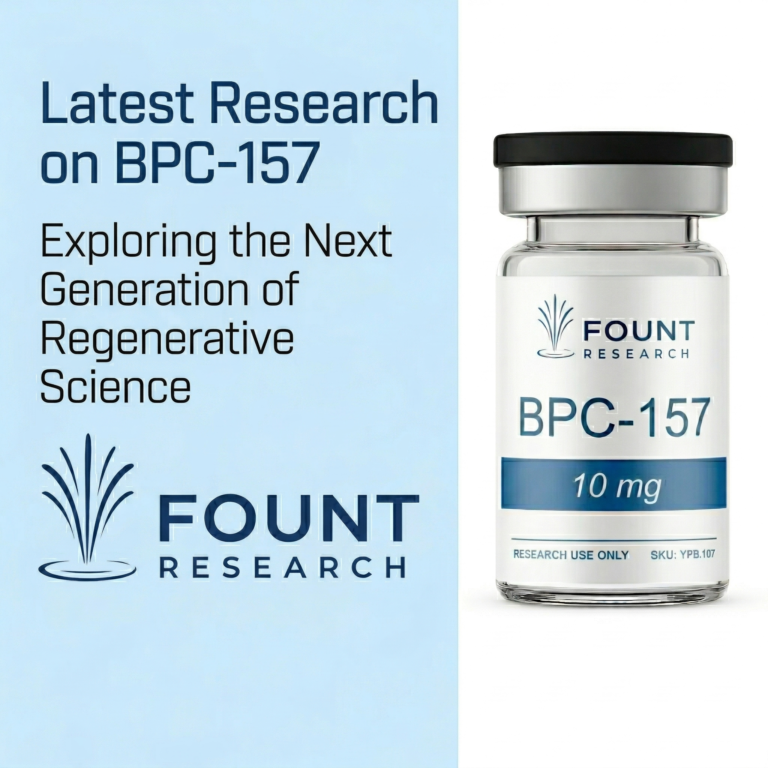
When reviewing a BPC-157 catalog page, start with the identity of the listing. Confirm whether the page is for a single-compound item, a blend, or a related educational article. The product name, amount, and category placement should be visible without forcing the buyer to infer which item is being shown.
The related literature should be treated as source context. PubMed records and review papers can help orient a research-library article, but they should not be converted into buyer promises, outcome language, or personal-use instructions.
Relevant Fount pages:
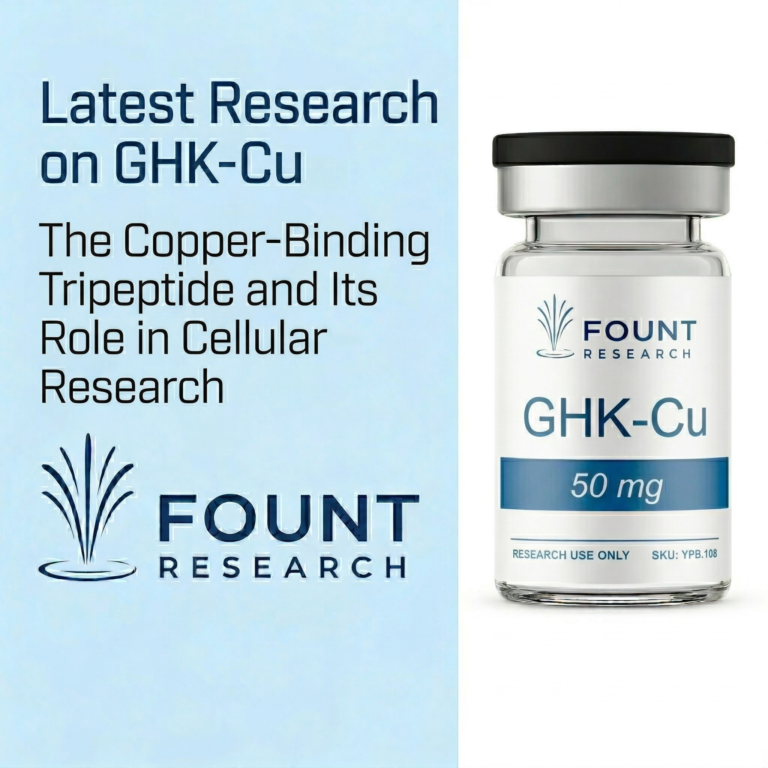
- BPC-157 5mg research-use-only listing
- BPC-157 20mg research-use-only listing
- BPC-157 research overview
TB-500 Page Review
For TB-500, a buyer should be able to tell whether the page refers to a single listing or a blended catalog item. The page should identify the compound name clearly and keep educational discussion separate from purchase navigation.
TB-500 is often discussed beside thymosin beta-4 literature records. A research-library article can link to those records as background context, but the product page should remain focused on catalog clarity, research-use-only status, and navigation.
Relevant Fount pages:
Blend Listing Review
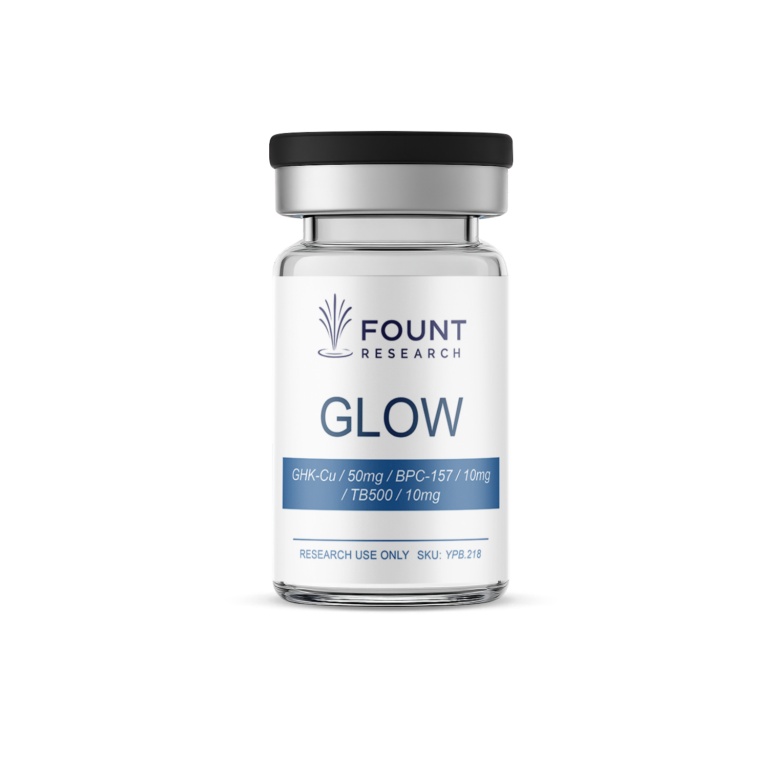
Blend listings need extra clarity because more than one compound appears in the product title. A clean blend page should make the compound names, listed amounts, and category placement easy to scan.
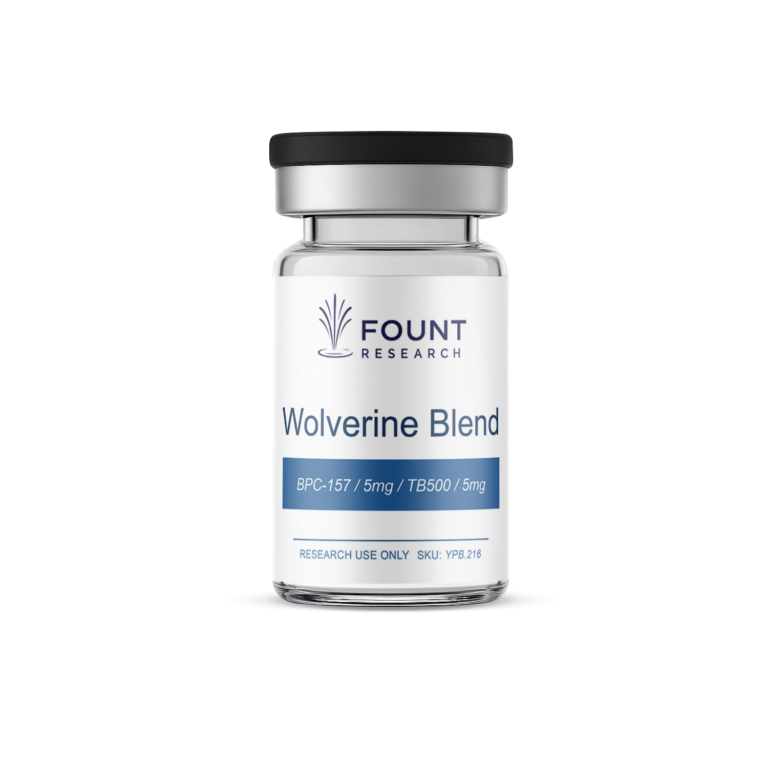
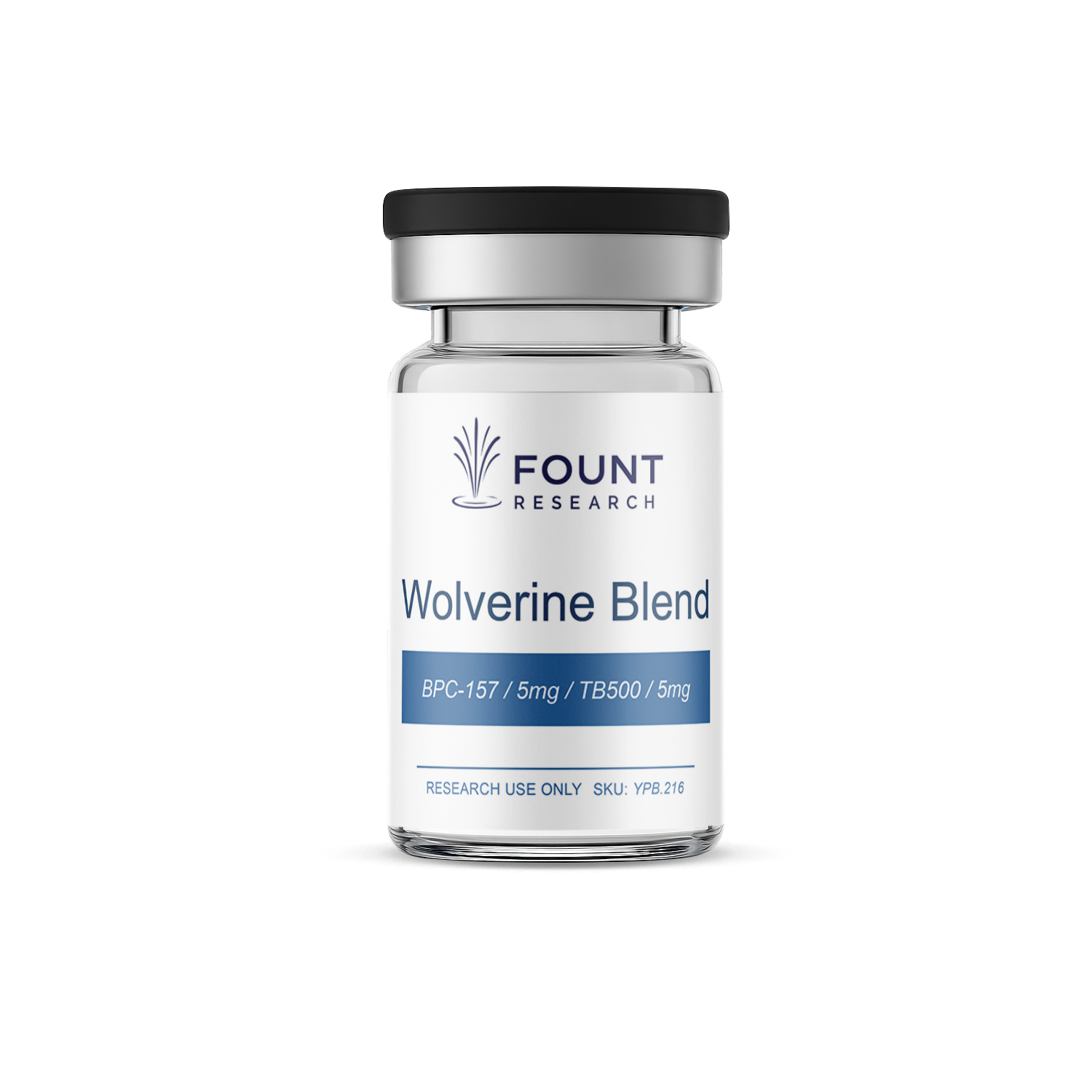
For Wolverine Blend, the buyer should be able to move between the catalog listing, the relevant single-compound pages, and educational source context without losing the research-use-only boundary.
Relevant Fount pages:
- Wolverine Blend BPC-157 / TB-500 research-use-only listing
- Peptide Blends category
- BPC-157 and TB-500 documentation checklist
Source Record Checklist
When an educational article references published literature, the source section should make the record trail easy to follow. A clean source section should:
- Link directly to source records where possible.
- Identify whether the source is a review, method paper, or related research record.
- Avoid translating source context into personal-use claims.
- Avoid preparation instructions.
- Keep catalog calls to action limited to research-use-only navigation.
This keeps the article useful for search while preserving the boundary between education and product pages.
Useful Source Records
The following records can support neutral research-library review:
- PubMed record for BPC-157 literature context
- PubMed record for thymosin beta-4 review context
- PubMed record for thymosin beta-4 molecular research context
- PubMed record for TB-500 method context
- PubMed record for BPC-157 research context
Catalog Navigation Note
The Fount links above are provided for catalog navigation and research-library review only. They are not recommendations for use.
Research-Use-Only Note
This educational resource is for laboratory research context only and does not describe human or veterinary use. Fount Research products are intended for qualified laboratory research contexts only.
Get new RUO research articles, documentation guides, and product-availability notes from Fount Research.